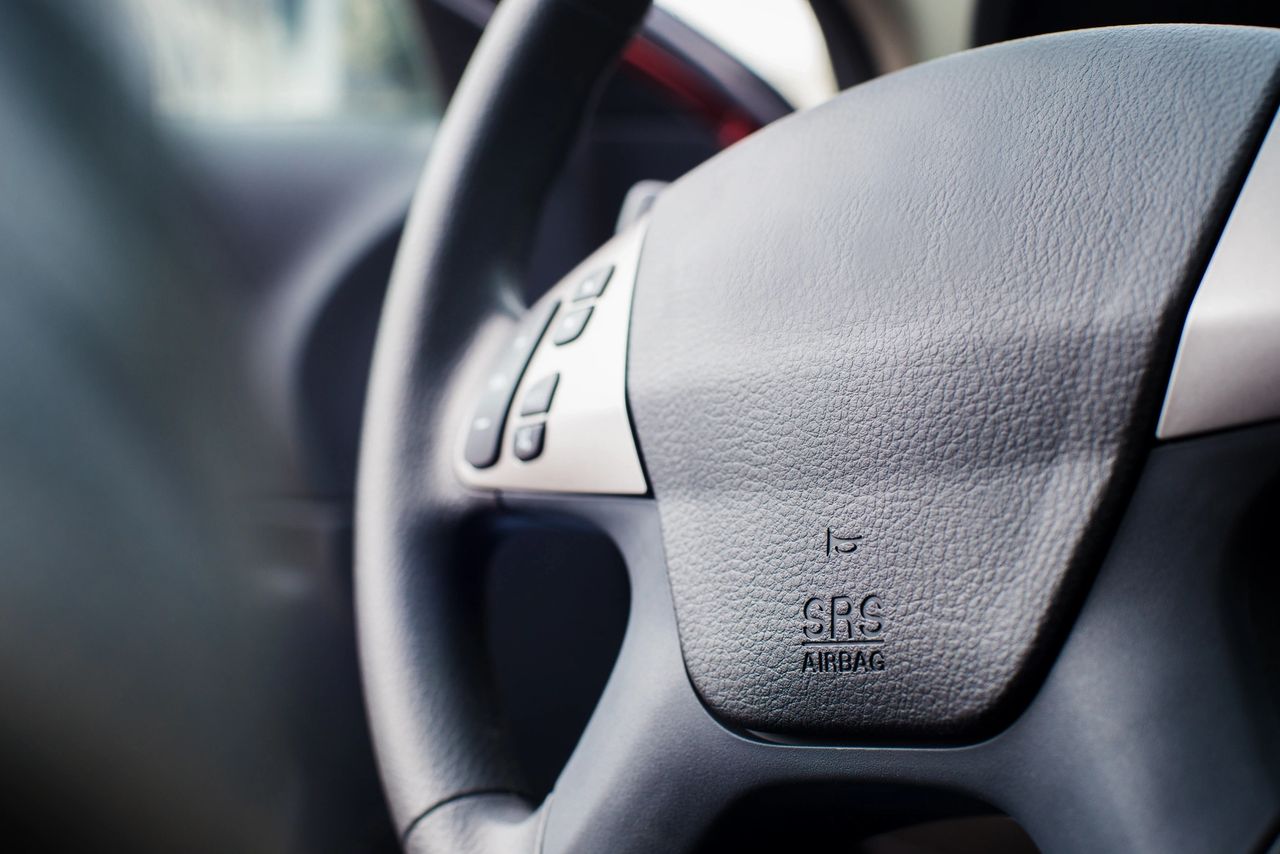
When the airbag light flickers or remains illuminated, it raises serious concerns about the readiness of your airbag system Encinitas drivers depend on. This warning isn’t merely an annoyance—it signals that the network of sensors, wiring, and control modules tasked with protecting you in a crash may not perform as intended. Addressing these issues promptly helps avoid extensive repairs and safeguards your passengers.
The Crucial Role of Airbag Diagnostics
Every journey you take relies on a finely tuned series of components springing into action in mere milliseconds if you collide. Ignoring an airbag warning can mean your vehicle’s most critical passive safety feature is effectively offline. By investing in timely diagnostics, you gain a clear understanding of any faults stored in the control module—information that transforms guesswork into targeted repairs. Proper scanning reveals crash data, tracks down sensor malfunctions, and confirms wiring integrity before you spend money on parts replacements that might not resolve the issue.
Interpreting Warning Signals on Your Dashboard
Seeing the airbag icon illuminated alongside other symbols—such as ABS or traction control—often indicates a communications breakdown within the safety system, rather than a problem isolated to one module. A steady airbag light typically points to a persistent circuit or sensor fault, while a flickering light often reflects voltage irregularities, perhaps stemming from a weak battery or corroded connections. Understanding these signals enables you to describe the exact behavior to your technician, speeding up the diagnostic process and helping ensure the underlying cause is accurately identified.
Environmental Factors and False Alarms
Coastal climates like ours in Encinitas introduce unique challenges. Salt air can corrode sensor connectors hidden beneath seats, leading to intermittent faults that trigger warning lights without any actual crash event. Even small impacts that don’t deploy the airbags may register in the crash module, causing errors that persist until a professional clears and verifies the system. Routine battery replacements or unrelated electrical work can also introduce false alarms if the control module isn’t properly reset afterward.
What to Expect During an Airbag Diagnostic Service
When you bring your vehicle in, the technician will begin by connecting an enhanced OBD‑II scanner capable of retrieving airbag‑specific codes. They’ll review any stored crash data—sometimes revealing events you didn’t even notice—and then test each sensor’s electrical continuity. At the same time, harnesses under seats and inside the dash will be inspected for signs of wear or corrosion. Once repairs or replacements are completed, the control module is reset and the system undergoes a test cycle to confirm that the fault no longer appears. This approach minimizes unnecessary parts swaps and ensures you only pay for what’s genuinely needed.
Demystifying the Diagnostic Report
After scanning, you’ll receive a report detailing each fault code, accompanied by freeze‑frame data that shows operating conditions at the moment the error occurred. Instead of leaving you in the dark, a thorough service advisor will explain what each code means, why it happened, and what steps are recommended—whether that’s replacing a sensor, repairing wiring, or simply clearing a spurious fault. Armed with this knowledge, you can make informed decisions about repair priorities and budget.
Integrating Airbag Checks into Routine Maintenance
Airbag diagnostics shouldn’t be treated as a last‑minute fix. When paired with regular oil changes, brake inspections, and tire rotations, it becomes part of a holistic maintenance plan that keeps every safety system in harmony. Maintaining strong battery health prevents low‑voltage glitches; attending to minor electrical symptoms—like flickering lights or erratic horn behavior—can stop wiring faults from spreading; and ensuring seats and trim are in sound condition helps protect the integrity of hidden side‑impact sensors.
Clearing Up Common Misconceptions
It’s tempting to believe that because the airbag light went off on its own, the issue resolved itself. In reality, many modules simply mask intermittent faults until the next ignition cycle, and some codes remain stored even after the warning vanishes. Likewise, disconnecting the battery may temporarily extinguish lights but won’t clear stored errors. Only a certified diagnostic tool can fully reset the system and verify that all components communicate correctly.
Choosing a Reliable Diagnostic Partner
Not every auto shop offers the level of airbag system Encinitas diagnostics you need. When selecting a service center, confirm they employ OEM‑equivalent scan tools, have technicians trained in Supplemental Restraint System repair, and provide transparent, written estimates. A reputable shop will walk you through each step, ensuring you understand the diagnosis and the reasoning behind every recommended repair.
Airbag System Diagnostics in Encinitas
Ensuring your airbag system is functioning correctly is essential to your safety and peace of mind. Any persistent warning light, unusual sensor behavior, or post‑impact error warrants immediate attention. By scheduling a comprehensive diagnostic check, you confirm that your vehicle’s safety systems remain fully operational. For expert airbag system diagnostics in Encinitas, contact Furgerson’s Garage—where advanced tools and certified technicians restore your safety features to factory standards, so you drive with confidence throughout North County.