Winter hits electric vehicles differently, and that’s why many drivers seek reliable Leucadia EV repair advice before temperatures drop. Cold weather affects battery chemistry, regenerative braking performance, and even how quickly your cabin heats up. It’s not just about convenience. Winter conditions can shift how your vehicle behaves on the road, and knowing what to expect makes you safer and more prepared. Drivers in coastal communities like Leucadia might not see snowbanks lining their streets, but chilly mornings and winter storms still strain vital EV components. This guide breaks down real winter concerns and what you can do to keep your EV running well through the season.
#### Why Winter Takes a Bigger Toll on EV Systems
Most EV owners assume winter only affects range, but the impact reaches much deeper. Batteries slow down when temperatures fall, reducing their ability to deliver steady power efficiently. That translates to longer charge times, weaker acceleration from a cold start, and heating demands that drain the battery faster. Even in mild climates, an overnight temperature dip can leave your vehicle feeling sluggish.
Cold temperatures also influence tire pressure, which is often overlooked. Low pressure cuts into range and traction at the same time. Regenerative braking can behave differently during cold mornings because the system limits regeneration until the battery reaches a safe operating temperature. Drivers notice reduced responsiveness and may not realize the brake system is intentionally protecting itself. That shift can feel strange if you are not expecting it.
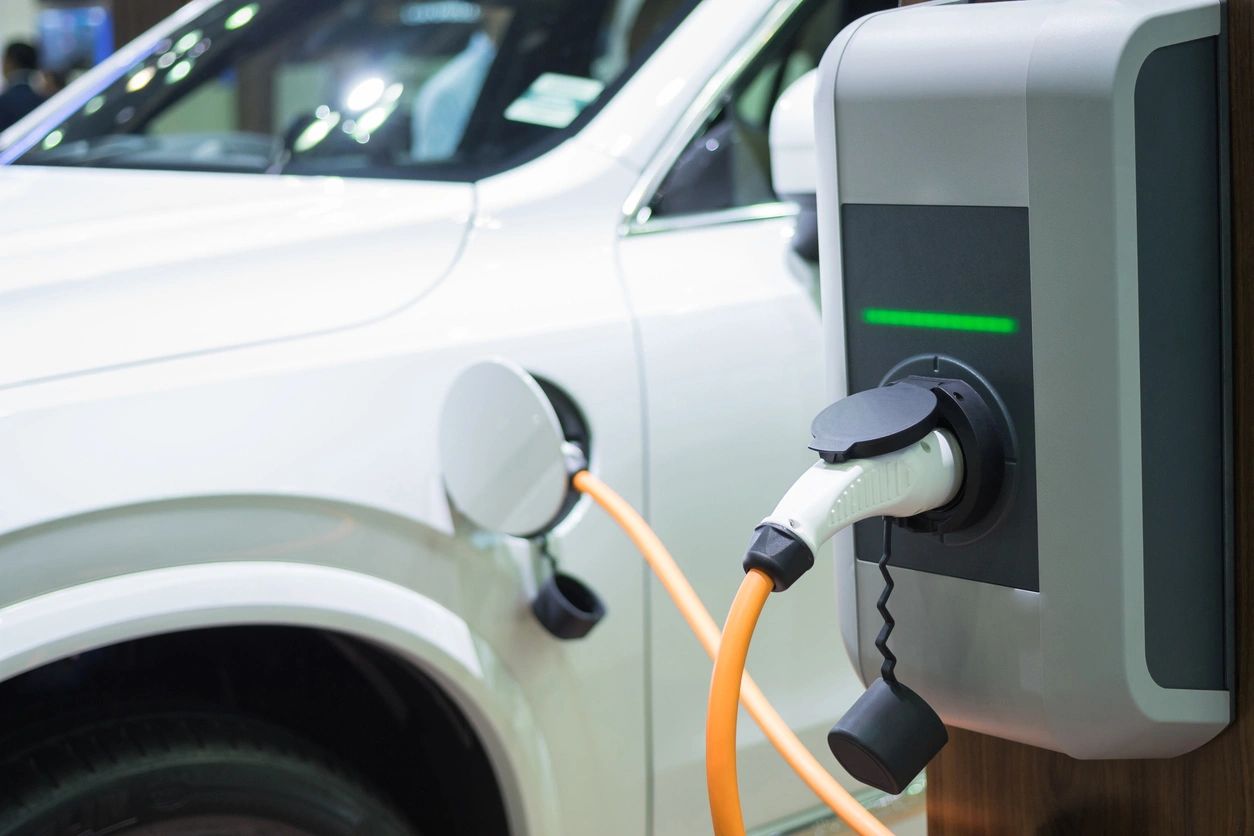
Charging habits also need adjustment in winter. If your EV sits outside, the charge rate can drop significantly as the vehicle spends extra energy warming the battery before it can accept power efficiently. That’s one reason some North County auto service facilities recommend preconditioning systems before plugging in on cold nights. When you understand how your EV responds to the season, you plan your drives more confidently and reduce stress on the vehicle.
#### The Hidden Winter Stressors Most Drivers Miss
Some winter EV concerns are obvious, but others tend to fly under the radar. Moisture buildup becomes a real issue, especially after rainstorms common in coastal towns like Leucadia. Electrical components are well protected, but water intrusion near connectors or worn seals can cause intermittent faults that are hard to diagnose. These problems might show up as random alerts that come and go without warning.
HVAC systems also work harder than drivers realize. Heating an EV cabin pulls energy from the battery rather than stored heat from an engine. When temperatures drop, the system’s workload increases sharply. If the cabin filter is partially blocked or the heat pump is struggling, you might notice slow warm-up times or fogged windows that won’t clear quickly. This can be more than an inconvenience if visibility becomes an issue while driving.
Tire wear also accelerates subtly during winter because rubber stiffens in colder temperatures. When the tire compound hardens, grip drops and the tread can behave differently on wet roads. If you notice slipping when accelerating from a stop on a damp morning, it might not be the pavement. The tires themselves could be reacting to the season.
#### How Smart Winter Preparation Keeps Your EV Running Strong
A winter readiness plan gives your EV a better chance to operate smoothly. Even though EVs have fewer moving parts than gas vehicles, the parts they do have rely on software, sensors, and battery management systems that must work together. A small issue can cause an outsized reaction if not addressed early.
Begin with battery health checks. Cold weather amplifies existing weaknesses, so testing capacity and verifying that the cooling and heating circuits are behaving correctly is key. These systems regulate battery temperature, and if they’re not functioning well, the vehicle may restrict power or range unexpectedly. A good inspection also checks connectors for corrosion, a common issue after salt air exposure in coastal communities.
Next, make sure your charging habits match winter demands. Preconditioning helps warm the battery before driving and reduces the strain on the system when charging in cooler temperatures. This step alone can cut down noticeable range loss. Many drivers also forget to check their charging cable for cracks or stiff spots caused by cold conditions. A damaged cable is more than an inconvenience. It can lead to inconsistent charging performance.
Braking systems should be inspected before winter sets in. Regenerative braking changes behavior based on battery temperature, so having your mechanical braking components in good condition fills the gap when regeneration is limited. A checkup includes pads, moisture-prone hardware, and software settings that influence brake response.
#### Critical Winter Repairs and Maintenance Drivers Should Expect
While EVs are reliable through winter, there are specific repairs that tend to show up more often this time of year. Battery heater malfunctions are one of them. These systems keep the pack within a safe temperature range, but if they start to fail, the vehicle reacts quickly by limiting power and range. This can catch drivers off guard if they are not monitoring performance closely.
Heat pump issues also rise during winter. If your EV uses a heat pump, you may notice weak cabin heat when the system is struggling. Sometimes it’s a sensor misreading temperatures. Other times valves or refrigerant issues are involved. Cold weather highlights these weaknesses because the system has to work harder.
Charging port seals sometimes fail or start letting in moisture. This usually presents as intermittent charging interruptions. If you plug in and the vehicle stops charging unexpectedly, the problem might not be the charger. It could be a winter-related seal issue.
Suspension components can stiffen during colder months too. That puts more strain on bushings and joints, especially when driving over wet potholes or rough winter roads. Leucadia drivers often travel along routes with coastal humidity that speeds up wear on rubber parts. A winter inspection reduces the chance of a sudden failure.
#### When to Contact an Auto Mechanic Near Leucadia
Cold weather problems escalate quickly when ignored. If your vehicle suddenly shows range loss, sluggish charging, slower heating, or unusual brake behavior, it’s time to reach out to an auto mechanic near Leucadia with experience in EV systems. These symptoms can point to deeper issues that should be addressed before they become more expensive to repair.
EVs rely heavily on software management, and that software is especially sensitive during winter. Diagnostics can reveal whether the issue is software based or hardware related. Catching small issues early leads to better performance through the season and avoids breakdowns during holiday travel or winter storms.
#### Final Thoughts for Leucadia Drivers Seeking Winter EV Repair
Winter driving puts pressure on EV systems in ways many drivers don’t expect. Understanding how cold weather influences battery behavior, braking systems, tire performance, and charging efficiency makes navigating the season far easier. Leucadia EV repair services become essential when early warning signs appear, and addressing issues quickly protects your investment. For thorough winter inspections and trusted service from a team that understands how EVs respond to seasonal changes, contact Furgerson’s Garage today.